
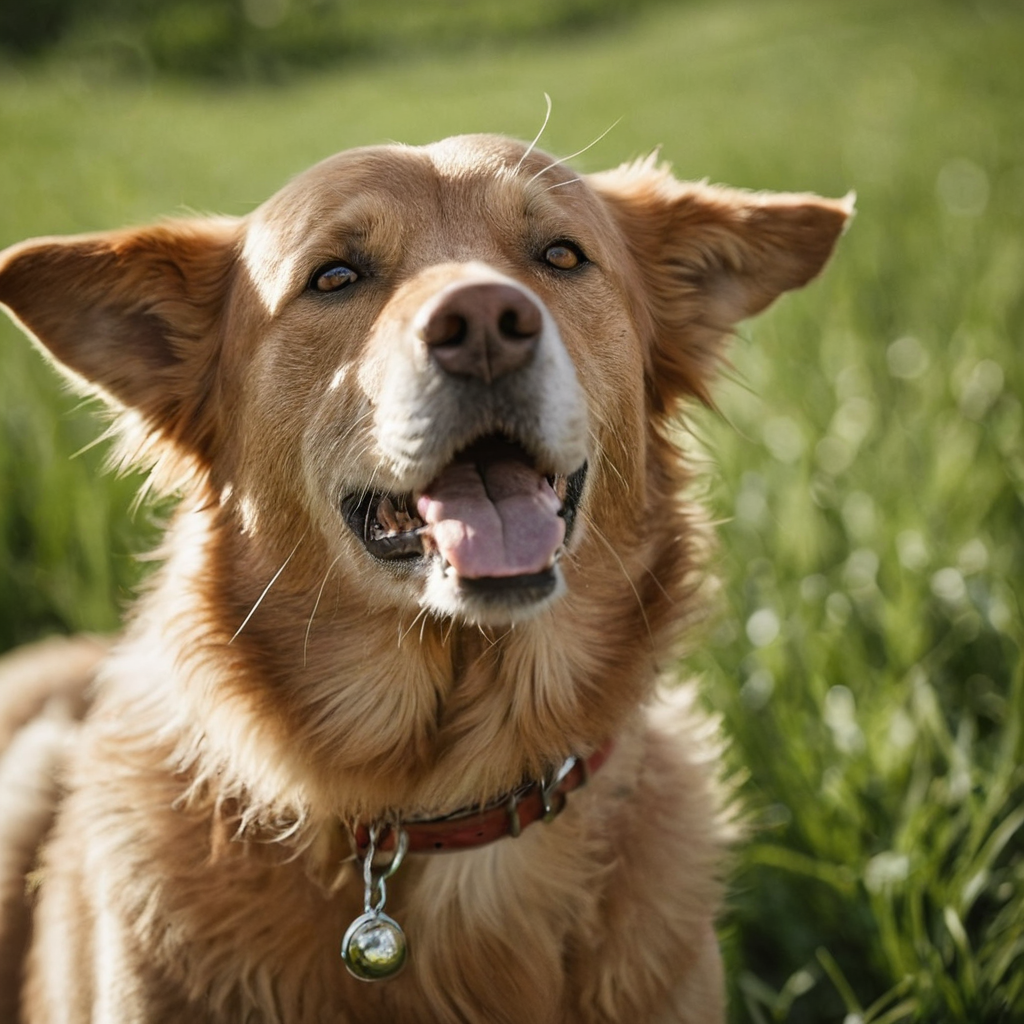
Many dog owners know the situation: food supplies are running low, the dog is showing unusual behaviour, or you finally want to try something better and are quickly searching for a pet shop near me. This often raises fundamental questions: what does my dog actually really need, which products are genuinely good, and where can you get them? This guide helps you make the right decisions for your four-legged friend.
Why dog owners search for a pet shop nearby
The reasons why dog owners suddenly search for a pet shop nearby are varied. Common triggers are an empty food supply, a new dog in the household, or the wish to finally switch food after a long time. Some owners specifically look for certain chews or treats that they can't find in the supermarket. Others notice that their dog no longer tolerates their current food well and want to quickly get a replacement. And sometimes it's simply curiosity: what else is out there that could actually be good for my dog? All these situations have one thing in common: you want the best for your dog. This makes it all the more important to know what really matters when shopping.
Signs that your dog needs a change of food
Dogs can't talk, but they clearly show when something doesn't agree with them. Watch out for the following signals:
- Dull or flaky coat: Can indicate a lack of fatty acids or an unbalanced diet.
- Frequent digestive problems: Soft stools, diarrhoea or flatulence that keep recurring can indicate intolerances, including to certain types of grain.
- Intense scratching with no sign of parasites: Some dogs react sensitively to certain ingredients in their food, which can show up as itching or red skin.
- Low energy or persistent listlessness: If your dog seems more sluggish than usual and other causes have been ruled out, the food could be a contributing factor.
- Weight problems: Both unwanted weight loss and being overweight can have diet-related contributing causes.
Important: these signs can have many different causes and are not clear proof of a dietary problem. If complaints persist or you're unsure, you should definitely see a vet before changing the food yourself.
What dogs really need in their diet
Dogs evolved as carnivores and have a high requirement for animal protein. A species-appropriate diet is characterised by a few clear features:
- High meat content: High-quality meat should be the first and most important ingredient. Generally, the higher the proportion, the better the biological usability.
- No unnecessary fillers: Grain such as wheat or maize is used less efficiently by many dogs than animal protein and can contribute to intolerances in sensitive animals.
- Natural ingredients: Artificial flavours, colourings and chemical preservatives have no place in good dog food.
- Balanced nutrients: Vitamins, minerals and fatty acids must be present in a sensible ratio so your dog stays healthy in the long term.
Grain-free food is a well-tolerated choice for many dogs, especially for animals with a sensitive stomach or skin problems. However, it's not automatically necessary for every dog. What's optimal for a dog depends on breed, age, activity level and individual health. If in doubt, it's worth having a conversation at the vet practice.
Chews and treats: quality is what matters
Chews and treats are part of everyday life for many dogs: as a reward during training, for enrichment, or simply as a little treat in between. This is precisely where product quality differs significantly. You should pay attention to the following points:
- Natural raw materials: Snacks made from recognisable animal ingredients such as beef hide, venison, salmon or poultry are easier to digest than products with long, hard-to-understand ingredient lists.
- No artificial additives: Colourings and flavourings only serve to appeal to humans visually or by smell, and are not necessary for your dog.
- Grain-free: The same applies to snacks: grain-free options can make sense for sensitive dogs.
- Suitable size and hardness: The chew should suit your dog's size, age and teeth, so it can neither be swallowed nor damage the teeth.
At kauliebe you'll find a carefully curated range of natural chews, treats and grain-free dog food from the NANDOO brand, designed precisely to meet these requirements.
Ordering from a pet shop online: when does it make sense?
A physical shop isn't always the most practical solution. Ordering from Fressnapf online or shopping on the internet in general can make sense if there's no easily accessible shop nearby, you don't want to carry heavy bags of food, or a particular product isn't in stock locally. Online, you can take your time comparing ingredient lists, read other dog owners' reviews, and often choose from a wider range than in a physical branch. When buying online, make sure to read the ingredient list carefully, check the seller's credibility, and if in doubt, consult the vet practice about your dog's specific dietary needs.
What really helps: practical tips for everyday life
Whether you're planning a change of food, looking for better snacks, or simply want to understand your dog better: these tips will help you make the right choice.
- Switch gradually: Never change the food abruptly. Gradually mix the new food in with the old over at least seven to ten days to avoid digestive problems.
- Read the ingredient list: Meat should be listed first. Long lists with lots of chemical names often indicate a lot of additives.
- Observe your dog: Every dog is an individual. What suits one animal very well may not suit another. Watch the coat, stool and energy levels closely after a change.
- Factor in snacks: Even high-quality chews and treats are extras and should be counted towards the daily calorie total to avoid weight gain.
- Seek veterinary advice: For persistent complaints, intolerances or special life circumstances such as illness, pregnancy or old age, the vet practice is the first and most important point of contact.
Frequently asked questions
What are the Fressnapf opening hours near me?
The Fressnapf opening hours vary depending on location and can change on public holidays or for special occasions. The most reliable information can be found directly on the official Fressnapf website or by calling the relevant branch. Many branches are open on weekdays between 9am and 8pm, but exact times can differ depending on the town and location.
Is there a current Fressnapf catalogue?
Yes, Fressnapf regularly publishes a Fressnapf catalogue with current offers and promotional prices. You can find it on the Fressnapf website or in the Fressnapf app. Catalogues are also occasionally included as inserts in local weekly newspapers. It's worth comparing the offers before you shop, so you don't miss anything.
How do I get a Fressnapf voucher?
You can get a Fressnapf voucher in various ways: through the Fressnapf newsletter, through the customer card programme, during promotional weeks, or occasionally through partner companies and voucher platforms. Always check the validity period and any restrictions before redeeming it, for example whether the voucher only applies to certain products or only online.
What are alternatives to Fressnapf for natural dog food?
For dog owners who place particular value on natural ingredients, grain-free recipes and transparent production, there are specialist online shops and small specialist suppliers alongside bricks-and-mortar retailers. These often focus on a curated range with clearly readable ingredient lists and species-appropriate products, and can be a useful addition or alternative if you want to specifically improve your dog's food.




