
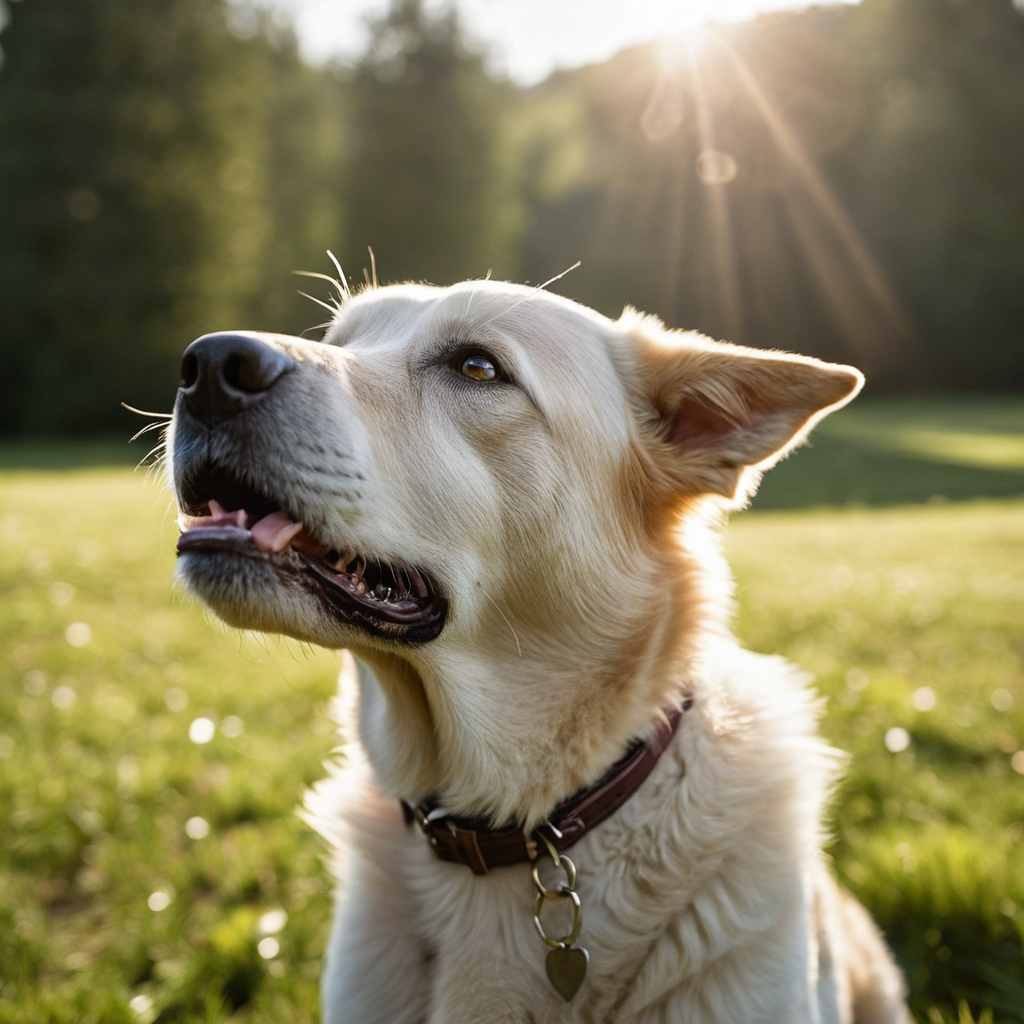
If your dog suddenly eats less, vomits frequently or seems unusually listless, many dog owners worry right away. Gallstones in dogs are less common than in humans, but they do occur, and their symptoms are often non-specific and can point to various causes. The sooner you recognise the signs and seek veterinary help, the better the chances of straightforward treatment.
Gallstone symptoms in dogs: signs you should know
The dog's gallbladder lies near the liver and stores bile, which plays a central role in digesting fat. If gallstones form, bile flow can become blocked, and the body reacts in various ways. Typical gallstone symptoms in dogs include:
- Loss of appetite or markedly reduced hunger
- Vomiting, often shortly after eating
- Yellowing of the mucous membranes or the whites of the eyes (jaundice)
- Pain in the right side of the abdomen, recognisable through tension or defensive reactions when the belly is touched
- Lethargy and general weakness
- Fever, especially if there's inflammation
- Pale or discoloured stools
- Dark-coloured urine
Important to know: not every dog shows all of these symptoms. Sometimes gallstones persist for a long time without obvious problems, before leading to a sudden deterioration. If symptoms persist, you should definitely see a vet.
Causes: why do gallstones form in dogs?
Gallstones form when components of bile, such as calcium, bilirubin or cholesterol, condense into solid deposits. In dogs, so-called pigment stones are more common than the cholesterol stones typical in humans. Possible causes and risk factors include:
- Chronic inflammation of the gallbladder (cholecystitis)
- Bacterial infections or parasite infestation
- Disorders of fat metabolism
- Older age, as well as certain breeds, including Poodles and Miniature Schnauzers, which seem to be affected more often
- A persistently high-fat diet, which can put a strain on the gallbladder
- Hormonal disorders such as hypothyroidism or Cushing's syndrome
What counts as symptoms when gallbladder problems are suspected?
Many dog owners wonder exactly which complaints count as symptoms of gallbladder problems, and how to tell them apart from other illnesses. As a general rule: symptoms such as repeated vomiting, jaundice and abdominal pain should always be taken seriously, as they can occur as symptoms of several different organ diseases. Besides gallstones, liver disease, pancreatic disease or inflammatory bowel disease are all possibilities. Self-diagnosis is therefore not possible: a veterinary ultrasound of the abdomen is essential for a reliable diagnosis of gallstones, supplemented by a blood test to assess liver values.
Vitamin D deficiency symptoms in dogs and the link to the gallbladder
A connection many dog owners aren't aware of: vitamin D is a fat-soluble vitamin that can only be properly absorbed from the gut if enough bile acids are available. With disrupted bile flow, as can occur with gallstones, absorption of fat-soluble vitamins could be impaired. Conversely, vitamin D deficiency symptoms in dogs can point to dietary or digestive problems, which can likewise be linked to gallbladder function.
Typical vitamin D deficiency symptoms in dogs include:
- Muscle weakness or muscle tremors
- Soft or deformed bones, especially in puppies (rickets)
- Poor wound healing and general weakened immunity
- Pronounced tiredness and lack of vitality
If you notice such signs, a blood test at the vet should bring clarity, since an overdose of vitamin D is also dangerous for dogs and must be avoided.
Heatstroke symptoms in dogs: correctly distinguishing the similarities
On hot summer days, symptoms can occur that at first glance overlap with gallstone symptoms: heatstroke. However, heatstroke symptoms in dogs differ in important details.
Typical heatstroke symptoms in dogs are:
- Heavy, suddenly occurring panting and restlessness
- Vomiting and increased drooling
- Stumbling or coordination problems
- Red, hot mucous membranes and gums
- In the worst case, loss of consciousness or seizures
The key difference from gallstones: heatstroke symptoms appear suddenly after direct heat exposure and usually improve quickly once the dog is brought into the cool and given water. Gallstone symptoms, by contrast, usually develop gradually and have no direct connection to heat or physical activity. In both cases: when in doubt, seek veterinary help straight away.
What helps now: diagnosis, treatment and diet
If you suspect gallstone symptoms in your dog, the first and most important step is a visit to the vet. Alongside ultrasound and a blood test, further examinations may be necessary to assess severity.
Treatment depends on the findings: small, symptom-free stones are sometimes monitored closely and watched. However, with marked symptoms, inflammation or a blocked bile duct, surgery is often required.
As a general rule for diet: a low-fat, easily digestible diet can relieve the gallbladder. Natural food without unnecessary additives and with high-quality proteins forms a good basis for your dog's health. At kauliebe you'll find natural chews, treats and grain-free dog food geared towards gentle, species-appropriate nutrition. In case of illness, however, always speak to your vet first before changing the diet, so that the dietary adjustment is tailored to your dog's individual condition.
Frequently asked questions
Which gallstone symptoms in dogs should be taken particularly seriously?
Jaundice, meaning yellowing of the eyes or mucous membranes, severe abdominal pain and a markedly poor general condition are warning signs that require immediate veterinary examination. Repeated vomiting over several hours, or complete refusal to eat for more than a day, should also be checked promptly.
Can scarlet-fever-like symptoms in dogs point to gallbladder problems?
Scarlet fever is a human illness caused by certain streptococcal bacteria and doesn't occur in this form in dogs. However, dogs can develop bacterial infections involving fever, weakness and loss of appetite, symptoms similar to those seen with gallstones. Fever and general malaise in dogs always have a cause that needs veterinary assessment, regardless of whether gallbladder problems or another illness are behind it.
How do I recognise heatstroke symptoms in my dog and what should I do?
Heatstroke symptoms in dogs develop quickly after heat exposure and show up as heavy panting, vomiting, stumbling and hot, reddened mucous membranes. Bring your dog into the shade or a cool room immediately, offer fresh water, and cool them gently with damp, lukewarm cloths, not ice-cold water, as that can put additional strain on the circulation. Then call the vet practice straight away.
When must I take my dog to the vet immediately?
Go to the vet immediately if your dog shows jaundice, has severe abdominal pain, collapses or stops responding when spoken to. Persistent vomiting, severe weight loss within a short time, or a marked deterioration in general condition are also reasons not to lose any time. When in doubt, it's better to call once too often than to wait too long.




