
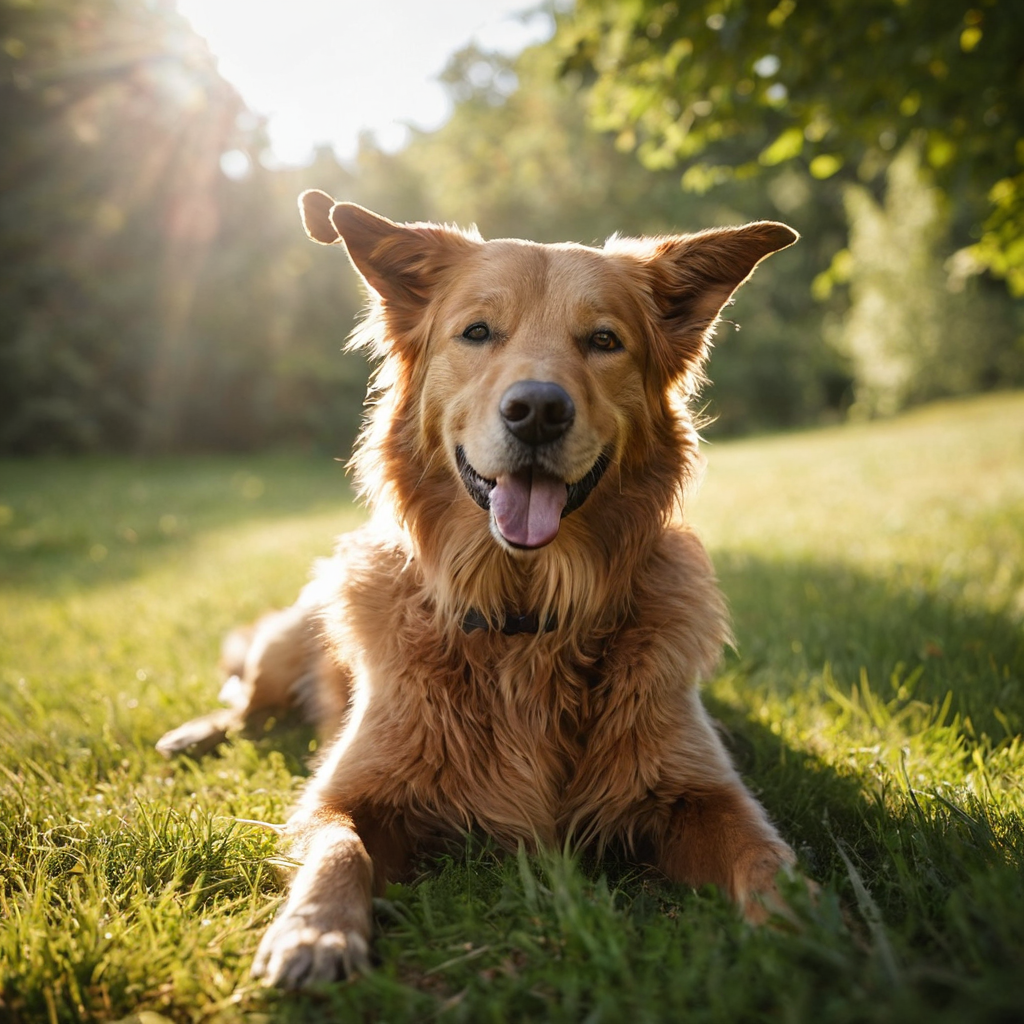
A hot summer's day, too long a walk in the midday sun, a brief moment without shade: heatstroke can develop in dogs just like that. Many owners do not know how quickly this can happen, or which heatstroke symptoms can point to dangerous overheating. This guide explains how to recognise heatstroke in a dog, how to give first aid, and what you can do to stop it getting that far in the first place.
Why do dogs get heatstroke?
Unlike humans, dogs can hardly sweat through their skin. They regulate their body temperature mainly through panting: the rapid breathing in and out through an open mouth evaporates moisture and cools the body from the inside. In very high outdoor temperatures, direct sunshine on the head, or poorly ventilated rooms, this system can become overwhelmed. If body temperature rises too sharply, heatstroke develops, in the worst case a life-threatening heat stroke.
Certain dogs are at particular risk:
- Brachycephalic breeds such as Pugs, Bulldogs or Boxers, whose airways are anatomically restricted
- Older dogs and puppies, whose bodies find it harder to balance out temperature fluctuations
- Overweight dogs, in which fatty tissue inhibits heat loss
- Dogs with a very dense or dark coat, which absorbs more heat
- Dogs that have been trained or played intensively in the heat
Common triggers include standing in blazing sun with no access to shade, short stays in parked cars, and insufficient water supply during an outing.
Heatstroke symptoms: The most important signs in dogs
Heatstroke symptoms usually develop quickly and can intensify rapidly. Watch for the following warning signs:
- Heavy, persistently loud panting: more intense than usual, often with a wide-open mouth and tongue sticking out
- Reddened or dark-coloured mucous membranes: gums and tongue appear intensely red or bluish
- Excessive drooling: sometimes thick or foamy
- Coordination problems and staggering: the dog seems disorientated or stumbles
- Restlessness or marked lethargy: either the dog is agitated and cannot settle, or it barely responds when spoken to
- Vomiting or diarrhoea: gastrointestinal symptoms as a sign of systemic overload
- Very rapid pulse and shallow breathing
- In the worst case, unconsciousness or seizures: this requires immediate emergency veterinary treatment
If symptoms persist or worsen, you should see a vet straight away. Internal damage from overheating is not visible from the outside and can show up with a delay.
Vitamin D deficiency symptoms and other conditions: When is it not heatstroke?
Some conditions can show signs similar to heatstroke, which can sometimes make it harder to tell them apart. For example, a vitamin D deficiency in dogs can cause symptoms such as muscle weakness, general lethargy and reduced stamina. These vitamin D deficiency symptoms resemble the exhausted, apathetic impression an overheated dog can give. The key difference: a vitamin D deficiency develops gradually over weeks or months, whereas heatstroke occurs acutely and in direct connection with heat exposure.
Other conditions, too, can overlap with heatstroke symptoms:
- A poisoning can cause vomiting, staggering and clouded consciousness without heat playing any role
- A heart problem also leads to shortness of breath, weakness and collapse
- An acute abdominal condition such as pancreatitis can trigger severe vomiting and restlessness
If you are unsure whether it is heatstroke, or the symptoms also occur with no obvious connection to heat, have your dog examined by a vet. Only a professional can make an accurate diagnosis.
First aid for heatstroke: What helps right now
If you spot heatstroke symptoms in your dog, calm, considered action is what counts. These steps can help until veterinary care is available:
- Get out of the heat immediately: take your dog straight into the shade or into a cool, well-ventilated room
- Cool with lukewarm water: moisten the paws, groin and neck with lukewarm water. Avoid ice-cold water, as this can place additional strain on circulation
- Offer fresh water: if your dog can and wants to drink, let it take small amounts, but do not force it
- Provide air circulation: a fan or a fresh breeze supports cooling
- Contact a vet immediately: call straight away, even if your dog seems to recover, as heat-related organ damage can show up with a delay
These measures do not replace veterinary treatment. They bridge the time until you get professional help.
Preventing heatstroke in dogs: Tips for hot summer days
With a few precautions, the risk of heatstroke can be considerably reduced. These measures help you get your dog safely through summer:
- Move walks to the cool morning or evening hours: avoid outings between 11am and 5pm, when temperatures are highest
- Always bring fresh water: a foldable water bottle with a bowl belongs in every summer outing kit
- Never leave your dog in the car: even on moderate days and with windows cracked open, the temperature inside a car can reach dangerous levels extremely quickly
- Offer shady resting spots: your dog always needs a cool retreat in the garden or on the balcony
- Check the ground: if the pavement is too hot for the back of your hand, it is too hot for your dog's paws too
- Move intense exercise to cooler times: schedule play and sport for the early morning or late evening instead
Good basic care also starts with the right diet. At kauliebe, you will find natural chews, treats and grain-free dog food that keep your four-legged friend well looked after all year round.
Frequently asked questions
Which signs count as symptoms of heatstroke in a dog?
The main symptoms of heatstroke in dogs are heavy, persistently loud panting, reddened or dark-coloured mucous membranes, staggering, vomiting, lethargy or marked restlessness. These signs typically occur in direct connection with heat exposure. The more of these warning signs appear at the same time, the more urgent it is to act immediately and see a vet.
Can dogs get scarlet fever, and how do scarlet fever symptoms differ?
Scarlet fever is a condition that, in humans, is caused by Streptococcus pyogenes and presents with fever, a sore throat and a characteristic skin rash. Dogs do not get scarlet fever in this classic form. Dogs can be affected by other strains of streptococcus, but they do not develop a disease comparable to human scarlet fever. If your dog shows unclear symptoms such as fever, skin changes or severe lethargy, you should seek veterinary advice to clarify the exact cause.
How do gallstone symptoms differ from heatstroke?
Gallstone symptoms in dogs can include vomiting, loss of appetite, abdominal pain and yellowing of the eyes or skin. Unlike heatstroke, there is no direct connection to heat exposure. Gallstones develop gradually and are often only discovered through a veterinary ultrasound examination. If your dog repeatedly vomits or suffers from persistent abdominal discomfort with no heat trigger in sight, a veterinary examination is essential.
When is heatstroke in a dog an absolute emergency?
Every case of heatstroke deserves serious attention, but the following signs call for immediate emergency veterinary treatment: unconsciousness, seizures, a complete lack of responsiveness, or blue-grey mucous membranes. But even if your dog appears to recover after initial cooling measures, it should still be examined on the same day. Organ damage from overheating is not visible from the outside and can show up with a delay.




