
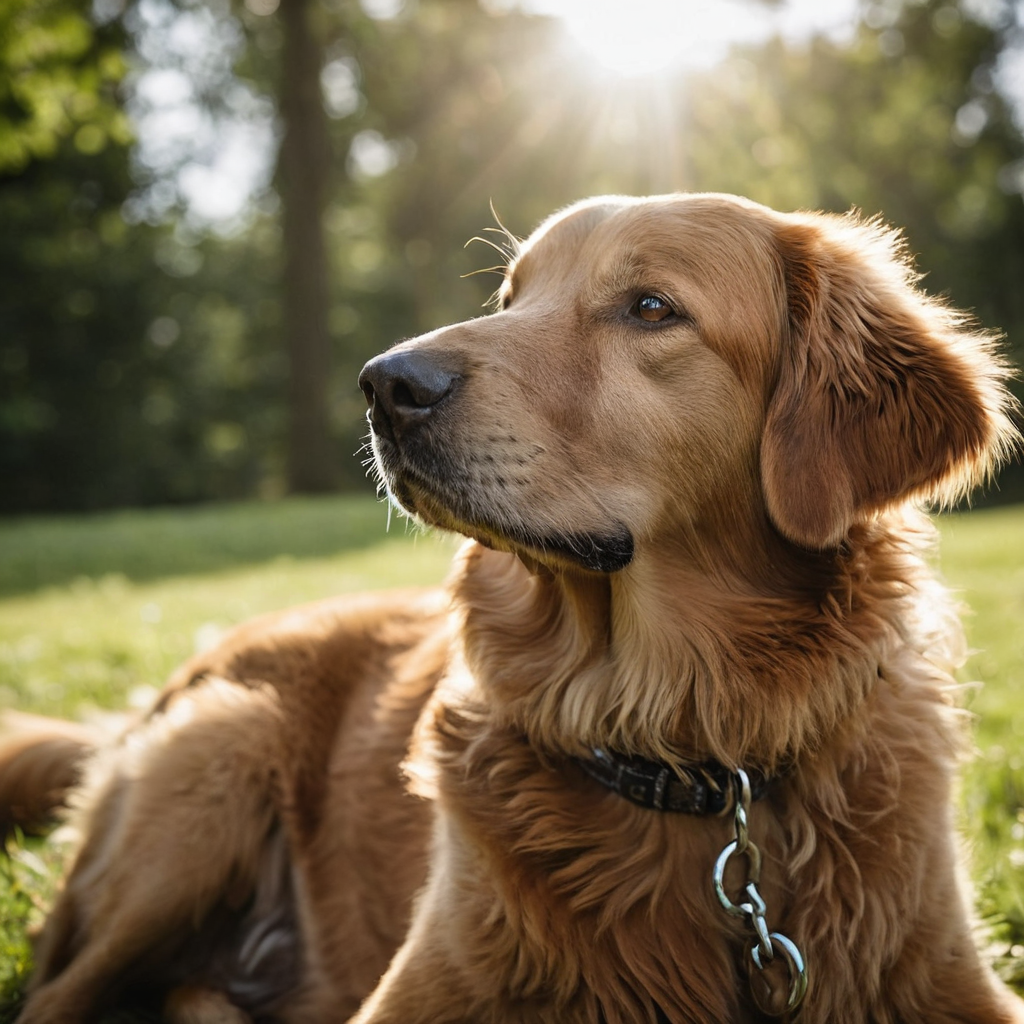
Finally on holiday, and of course your dog is coming along, that's a given for many dog owners. But not every four-legged friend jumps into the car enthusiastically straight away: new environments, changed routines and unfamiliar smells can certainly unsettle dogs. To make sure your shared holiday is truly relaxing, it's worth understanding in advance what's on your dog's mind and what really helps.
Why dogs sometimes react differently on holiday
Dogs are creatures of habit. They orient themselves strongly around fixed daily routines, familiar places and known smells. A holiday disrupts many of these habits all at once: the new bed, the unfamiliar accommodation, different walking routes and perhaps even a long journey. All of this can lead to insecurity in more sensitive dogs. Added to this are external factors such as heat on the beach, loud bustle in tourist areas, or contact with many unfamiliar people and other dogs. This isn't a weakness in your dog, but a perfectly normal reaction to sensory overload.
The journey in particular is tiring for many dogs. Dogs that aren't used to car journeys can suffer from travel sickness. This shows up as drooling, restlessness, panting or vomiting. Train journeys also mean unfamiliar impressions that some animals first have to get used to.
These signs show you how your dog is doing
Dogs communicate mainly through body language. On holiday, it's worth watching closely to see whether your dog really feels comfortable. Typical signs that something isn't right include:
- Excessive panting with no physical exertion or heat as the cause
- Frequent yawning, licking or lip-smacking as a calming signal
- A tucked tail, crouched posture or flattened ears
- Loss of appetite in the first few days at a new place
- Restlessness, whining or excessive barking, especially at night
- Diarrhoea or vomiting as a physical stress reaction
Don't worry: many dogs simply need a little time to settle in and visibly relax after a day or two. However, if the symptoms persist or your dog seems unwell, you should see a vet at your destination.
Short breaks with a dog: travelling relaxed, even on short trips
A short break with a dog, meaning a long weekend or three to four days, is often the best way to enjoy a change from everyday life together without overwhelming your dog. The short duration of the trip means they don't have to adapt for as long. At the same time, you can test how they react to new environments before planning a longer holiday.
For a successful short break with a dog, the following applies: book dog-friendly accommodation that genuinely welcomes the animal and doesn't just tolerate them. Bring the familiar blanket or bed so your dog has a fixed, safe spot. Keep to the usual feeding times as much as possible and avoid changing food in the middle of the holiday, as this can put extra strain on the stomach.
Holiday with a dog by the sea: what to watch out for
The beach is a wonderful adventure playground for many dogs, but it also holds some pitfalls. Seawater, if drunk in larger amounts, isn't good for dogs and can lead to diarrhoea or vomiting. Always make sure enough fresh drinking water is available and your dog doesn't drink from the sea.
Sand can get very hot in high temperatures and burn the paws. Test with the palm of your hand whether the ground is still bearably warm. Many beach sections also have a lead requirement, and not all beaches allow dogs, especially during the high season. Find out in advance which sections are accessible for dogs and whether there are dedicated dog beaches. After visiting the beach, you should always rinse the coat thoroughly with fresh water to remove salt and sand.
Good chews or treats, for example from the kauliebe range, are practical for travelling because they're easy to pack and give your dog something familiar after an exciting day at the sea.
Holiday with a dog on the Baltic Sea
The Baltic Sea is one of the most popular holiday destinations for dog owners in Germany. The salt content is noticeably lower than in the North Sea, which makes the water a little more tolerable, even though larger amounts of seawater should generally be avoided. Wide, often shallow beaches are well suited for romping and splashing about. Islands such as Usedom, Rügen or Fehmarn also offer extensive dune and forest landscapes for varied walks.
In the summer months, blue-green algae blooms can occur in some places on the Baltic Sea. These can be dangerous for dogs. Find out about current warnings locally and keep your dog away from the water if such warnings are issued.
Holiday with a dog on the North Sea
The North Sea impresses with rugged charm, wide mudflat landscapes and fresh wind, an experience that many dogs clearly enjoy. The Wadden Sea offers exciting smells and varied terrain. However, it should only be entered at permitted times and ideally with local knowledge of the area, as ebb and flow tides can quickly become dangerous.
The higher salt content of North Sea water means you should be even more consistent about making sure your dog doesn't drink seawater. The wind on the North Sea is also often strong, which can be unpleasant for dogs with sensitive eyes or ears. Some beach sections on the North Sea islands are open to dogs all year round, others only outside the bathing season. Be sure to research the rules that apply at your specific destination in advance.
What helps now: practical tips for your holiday
To make the holiday enjoyable for both human and dog, a few simple measures can help:
- Prepare for the journey: Get your dog used to longer car journeys before the holiday by gradually taking increasingly longer trips.
- Bring familiar items: A bed, blanket and toys give your dog a sense of security in a new environment.
- Keep up the feeding routine: Keep feeding times and food amounts as stable as possible, and avoid changing food while on holiday if you can.
- Plan enough breaks: On long journeys, take regular stops so your dog can stretch, drink and relieve themselves.
- Don't forget travel documents: Keep the EU pet passport and vaccination records handy, and check country-specific requirements in advance for trips abroad.
- Know the local vet practice: Find out before you leave which vet practice at your destination can be reached in an emergency.
A relaxed holiday starts with a relaxed dog, and for that you don't need an elaborate programme, but above all patience, structure and a willingness to respect your four-legged friend's pace.
Frequently asked questions
Is a holiday with a dog on the Baltic Sea particularly recommended?
The Baltic Sea is considered a pleasant holiday destination by many dog owners because the water is calmer and less salty than the North Sea. Long sandy beaches with designated dog sections, forests and dune landscapes offer plenty of variety. However, always find out in advance about lead requirements, possible swimming bans and current blue-green algae warnings at your specific destination.
What do I need to consider for a holiday with a dog on the North Sea?
On the North Sea, you should pay particular attention to the tides, so that you and your dog aren't caught out by the incoming tide in the Wadden Sea. Also make sure your dog doesn't drink seawater, and check in advance which beaches and sections are accessible for dogs. Many islands have their own rules, which can differ depending on the season.
What's the best way to prepare my dog for a short break?
Before the short break, gradually practise longer car journeys and, if possible, overnight stays in unfamiliar places. Bring familiar items such as a bed or favourite blanket, and keep feeding and sleeping times as stable as possible. The more familiar the small everyday rituals, the faster your dog will feel comfortable in a new environment too.
What should I pack for a holiday with a dog by the sea?
Alongside the usual food and chews for the journey, enough fresh water and a travel bowl should be part of your luggage. It's also a good idea to pack a first aid kit for dogs, sun protection for the nose and ear edges if your dog has light fur, enough leads and poo bags, a towel for drying off after a swim, and all the necessary vaccination and ID documents.




