
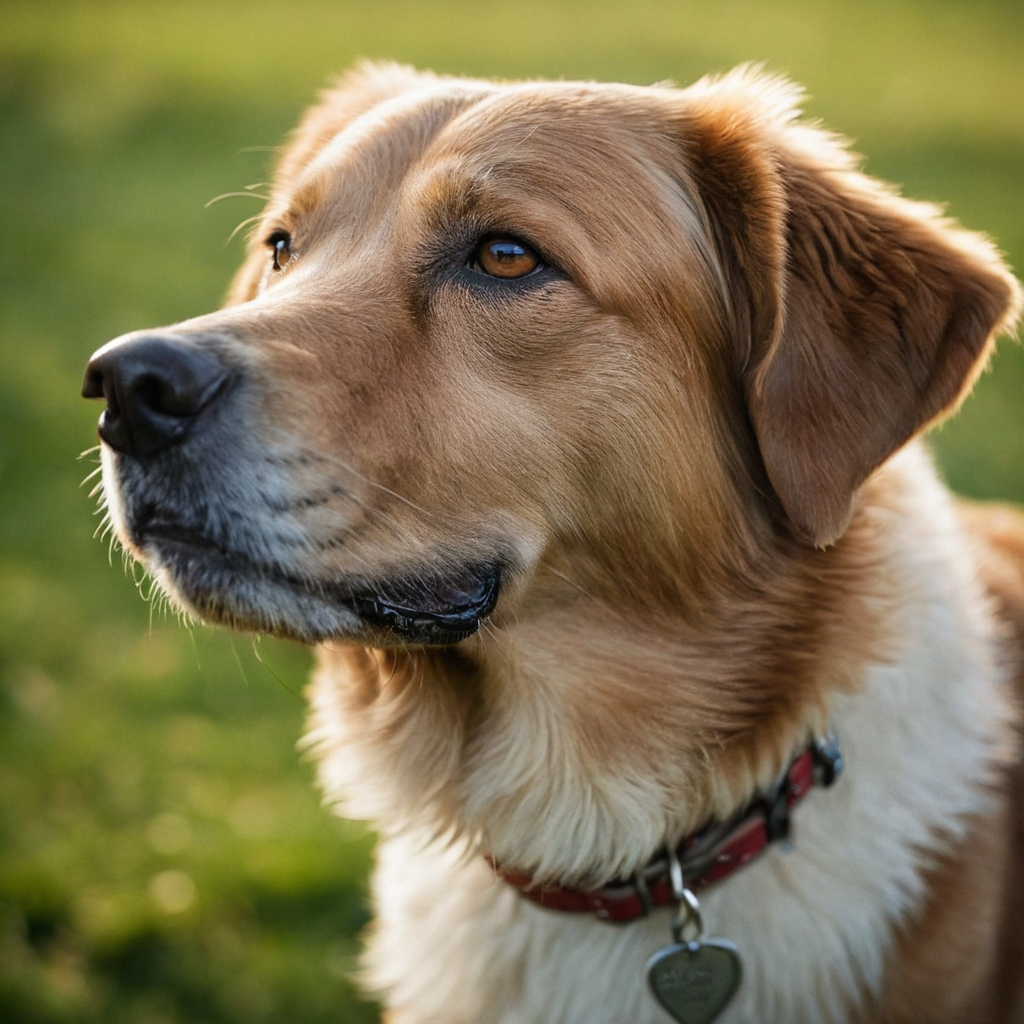
Tartar in dogs is one of the most common health problems vets see every day, and yet it is overlooked by many dog owners for a long time. The worry that treatment inevitably means a general anaesthetic stops many from acting in time. However, there are numerous ways to effectively prevent tartar and to treat it gently in its early stages, with no risk of anaesthesia at all.
How does tartar form in dogs?
It all starts with plaque, a soft, colourless film of bacteria, saliva residue and food particles that forms on your dog's teeth every day. If this film is not removed regularly, it mineralises through calcium salts in the saliva and hardens. This is how tartar forms, a firm, yellowish to brownish deposit that particularly likes to build up on the molars and canine teeth.
Tartar is not purely a cosmetic problem. Bacteria can multiply particularly well under the hard deposit and attack the surrounding gums. Possible consequences are gum inflammation, periodontitis and, in the worst case, tooth loss. If the bacteria enter the bloodstream, they can even cause lasting damage to internal organs such as the heart, liver and kidneys.
How do you recognise tartar in your dog?
A regular look in the mouth is the best early warning. Watch out for the following signs:
- Yellowish to brownish-greenish deposits on the teeth, especially at the gum line
- Bad breath that goes clearly beyond normal dog breath
- Red or swollen gums that react painfully when touched
- Receding gums that expose the tooth roots
- Changed eating behaviour, for example when your dog only chews on one side or avoids food
- Increased drooling or frequently pawing at the mouth
If your dog shows several of these signs, you should not wait too long. If discomfort or pain persists, a visit to the vet is absolutely necessary.
Removing tartar in dogs: What is possible without anaesthesia
Whether treatment without anaesthesia is successful largely depends on the extent of the tartar and how cooperative your dog is. Here is an overview of the common methods:
- Manual tartar removal: In calm, well-socialised dogs, light tartar can sometimes be mechanically removed by experienced veterinary staff without sedation, provided the animal cooperates without stress.
- Ultrasonic cleaning at the vet: Sound waves gently loosen tartar. Many practices offer this method for mild cases without anaesthesia. However, thorough cleaning below the gum line often requires sedation.
- Tartar removal gels and sprays: These products contain enzymes that inhibit bacteria and soften plaque. They do not replace professional cleaning where tartar is already present, but are a sensible addition to daily care.
- Finger brushes and dental wipes: Practical for dogs that will not accept a toothbrush. The soft wipes are pulled over the finger and gently clean the tooth surfaces.
Important to know: heavy or deep-seated tartar must be removed professionally, usually under anaesthesia, so as not to unnecessarily stress the animal and to ensure thorough cleaning. A reputable vet practice will give you honest advice on which method is right for your dog.
Preventing tartar: What you can do every day
Prevention is everything when it comes to tartar, because what never forms does not need to be removed. These measures help you keep tartar in check in the long term:
- Regular tooth brushing: By far the most effective method. Daily is ideal, but even three to four times a week makes a noticeable difference.
- Natural chews: Natural chewing mechanically cleans the tooth surfaces and significantly reduces plaque formation.
- Sturdy chew toys: Toys made from natural materials stimulate saliva flow and so support oral hygiene in a playful way.
- A diet suited to the species: A grain-free diet with a high meat content and little sugar promotes a healthy oral flora.
- Annual dental check: Have your dog's teeth checked at least once a year during a routine examination, so problems are caught early.
Brushing your dog's teeth: How to get them used to it step by step
Many dogs do not accept tooth brushing straight away, which is completely normal. The key lies in a patient, positive introduction over several weeks. Here is how to go about it:
- First offer your dog dog toothpaste on your finger so they get to know the taste and stay curious.
- Then gently stroke your finger over their teeth and gums. Some dogs need a few days for this.
- Next, introduce a finger brush or soft toothbrush and initially clean only the easily accessible front teeth.
- Gradually increase the duration of cleaning until you also reach the back teeth.
- Reward your dog after each session with praise and a small treat, to create a positive association with tooth brushing.
Use only toothpaste specially developed for dogs. Human toothpaste contains ingredients such as fluoride or xylitol, which are toxic to dogs.
Diet and chews as natural dental care
What your dog eats has a direct influence on their dental health. A high-protein, grain-free diet keeps blood sugar stable and provides oral bacteria with less of a food source. Sugar and starchy ingredients, on the other hand, promote plaque formation and therefore the development of tartar.
Natural chews are particularly valuable: dried tendons, pizzle sticks, chew wood or dried meat strips are not only a treat for your dog, they also mechanically clean the teeth and massage the gums at the same time. At kauliebe you will find a carefully selected range of natural chews, treats and grain-free dog food that is precisely matched to these needs.
When buying chews, look for short, easy-to-understand ingredient lists without artificial additives, sugar or grain. You can recognise high-quality products by the fact that meat or fish comes first on the list.
Frequently asked questions
From when is tartar dangerous for dogs?
Tartar is always a risk factor in principle, but the extent determines how urgent it is. Light tartar without gum inflammation can be treated well with conservative measures. As soon as the gums are red or swollen, your dog shows signs of pain, or the gums are receding, a veterinary examination is urgently required. Untreated tartar can lead to tooth loss and, through bacteria in the blood, also to organ damage.
Can I remove tartar from my dog myself?
You can reduce soft plaque buildup yourself with regular tooth brushing and suitable care products. However, you should not scrape off already hardened tartar yourself with metal tools or sharp instruments, as you could damage the tooth enamel and injure the gums. Experienced vets can sometimes gently remove light tartar without anaesthesia.
How often should I brush my dog's teeth?
Daily is ideal and matches what experts recommend. If that is not always achievable, three to four times a week is significantly better than not at all. Regularity is the key factor: a short, consistent session every day is more effective than a thorough clean only once a fortnight.
Which chews help against tartar in dogs?
Natural, hard chews that really get your dog chewing thoroughly are best suited: dried tendons, pizzle sticks, chew wood made from olive or coffee wood, as well as dried meat strips. They mechanically clean the teeth and help reduce plaque formation. It is important that the snacks contain no sugar or grain additives, as these promote the formation of tartar.
Suitable products at kauliebe
Regular chewing helps against tartar: you will find suitable varieties in our natural chews.


